
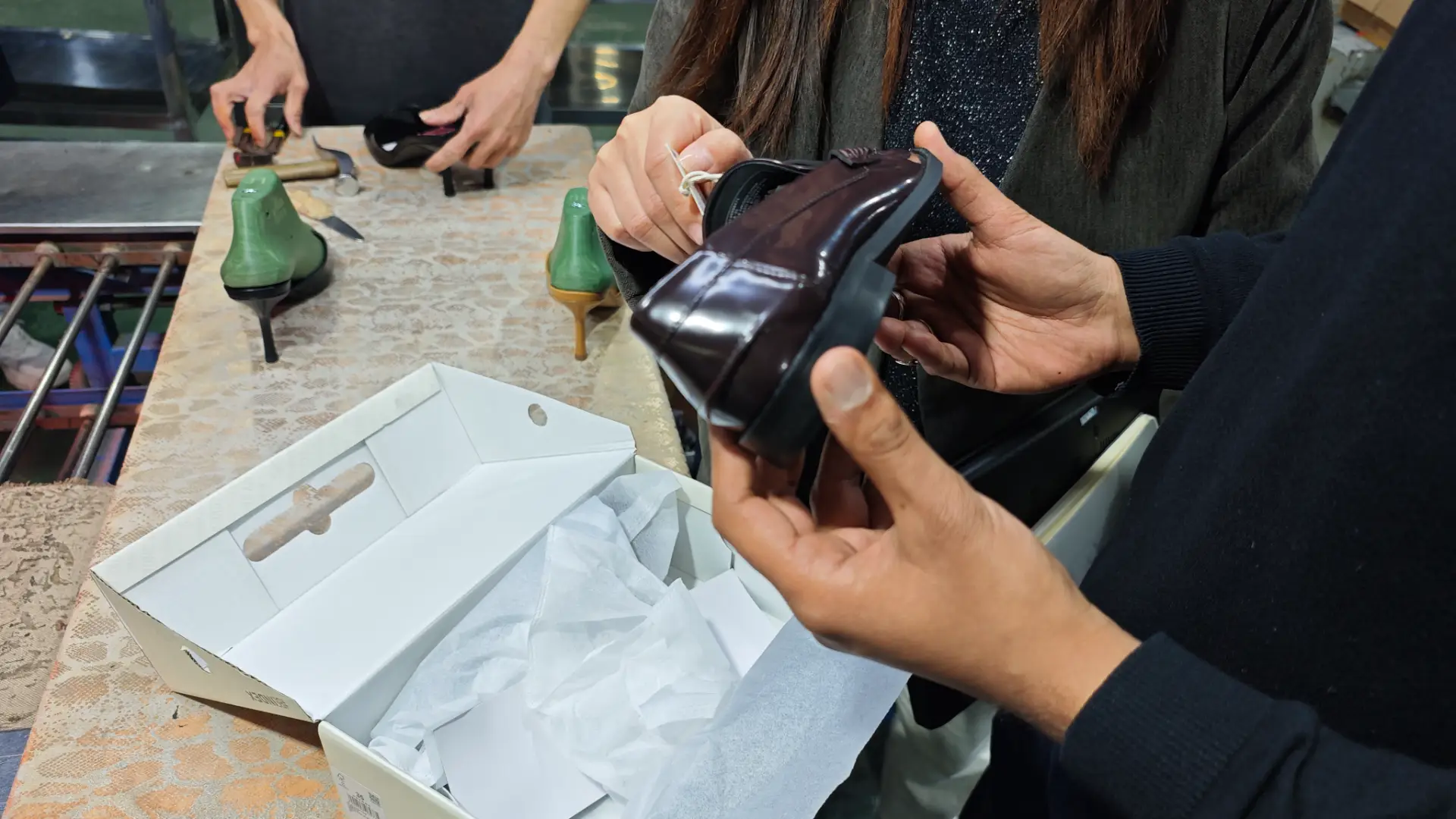
Introduction: Why Shoe Defects Matter More Than You Think
In footwear manufacturing, quality problems rarely appear suddenly at the final inspection stage.
Most manufacturing defects originate early in the process, their root causes may lie in improper material choices, vague specifications, or the inability to uphold sample-level quality standards throughout bulk production.
For footwear brands, especially those developing products with overseas suppliers, these issues can create much bigger problems than expected. A small defect can lead to:
· Customer complaints
· Higher return rates
· Delayed product launches
· Additional inspection costs
· Damage to brand reputation
In this guide, we will discuss the most common shoe defects, why they happen, and how footwear brands can reduce quality risks before mass production.
Quick Definition: What Are Common Shoe Defects?
Common shoe defects are manufacturing or material-related problems that affect a shoe’s appearance, durability, comfort, fit, or performance. They can occur during product development, material selection, sampling, production, or final inspection.
Why Do Shoe Manufacturing Defects Happen?
After working on footwear development projects, one thing becomes clear: Most shoe defects are not caused by one single mistake. They usually happen because several small issues are not identified early enough.
1. Poor Material Selection
Material selection is one of the first stages where quality risks can appear. Different shoe categories require different material characteristics. For example:
A premium leather loafer needs:
· Consistent surface quality
· Suitable flexibility
· Good shape retention
A summer sandal needs:
· Lightweight construction
· Comfortable materials
· Good flexibility
A structured boot requires:
· Stronger support
· Better stability
Using the wrong material can create problems later that are difficult to solve during production.
A common situation we see is that a brand chooses a material based mainly on appearance. However, during sample development, the material behaves differently during cutting, stitching, or lasting. At this stage, professional feedback from the manufacturer can prevent bigger problems.
2. Unclear Product Requirements
Many production problems begin with communication gaps.
A design image alone is usually not enough for footwear production. A manufacturer also needs to understand:
· Material specifications
· Color standards
· Construction details
· Size requirements
· Finishing expectations
For example, when a buyer says: “We want a soft leather ballet flat.”. There are still many unanswered questions:
· How soft should the leather be?
· What thickness is required?
· Should the toe structure be flexible or reinforced?
· What finishing standard should production follow?
This is why a detailed footwear tech pack is valuable. A clear tech pack reduces misunderstandings and gives both sides the same production reference.
Read our guide about: Footwear Tech Pack
3. Insufficient Sample Evaluation
A footwear sample is not only a product preview. It is the stage where potential production problems should be discovered.
During sampling, brands should evaluate:
· Appearance
· Comfort
· Material performance
· Fitting
· Construction details
One common mistake we see is approving a sample only because it looks good in photos. For example, a platform sandal may have an attractive design, but during wear testing, the balance or comfort may not meet customer expectations.
The sampling stage is the best time to make improvements. Once mass production begins, changing the product becomes much more expensive.
Learn more about: How Shoe Sampling Works Before Mass Production
What Are Common Shoe Defects?
For footwear buyers, defects are usually divided into four main categories.
1. Appearance Defects
Appearance defects are the problems customers notice immediately. Common examples include:
· Uneven stitching
· Glue marks
· Surface scratches
· Color differences
· Poor finishing details
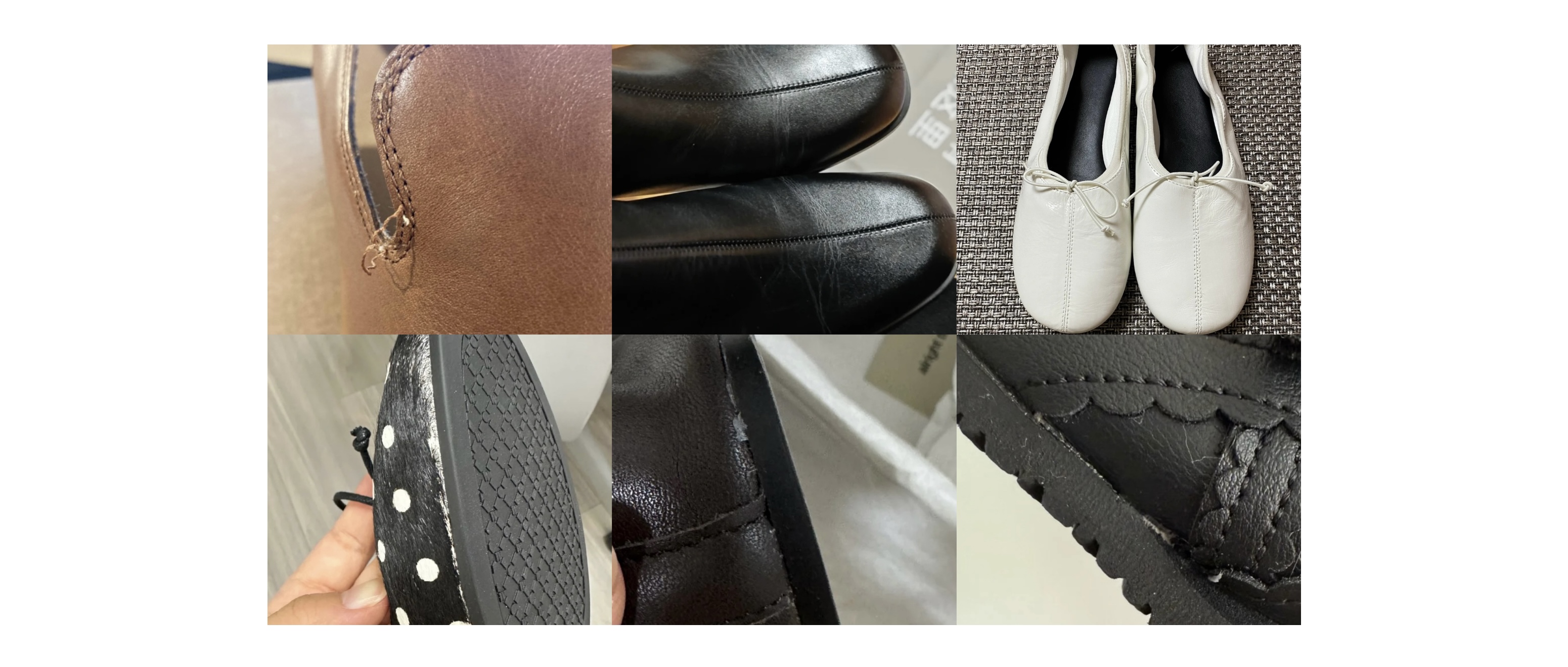
A customer may not understand the technical reason behind a defect, but they can immediately feel that the product does not meet the expected quality level. For fashion footwear, appearance is especially important. Especially in categories such as women's ballet flats, loafers, sandals and fashion boots, the small details often determine the the shoe feels premium or average.
2. Construction Defects
Construction defects are related to how different shoe components are assembled. Examples include:
· Sole separation
· Weak bonding
· Poor shoe shaping
· Loose components
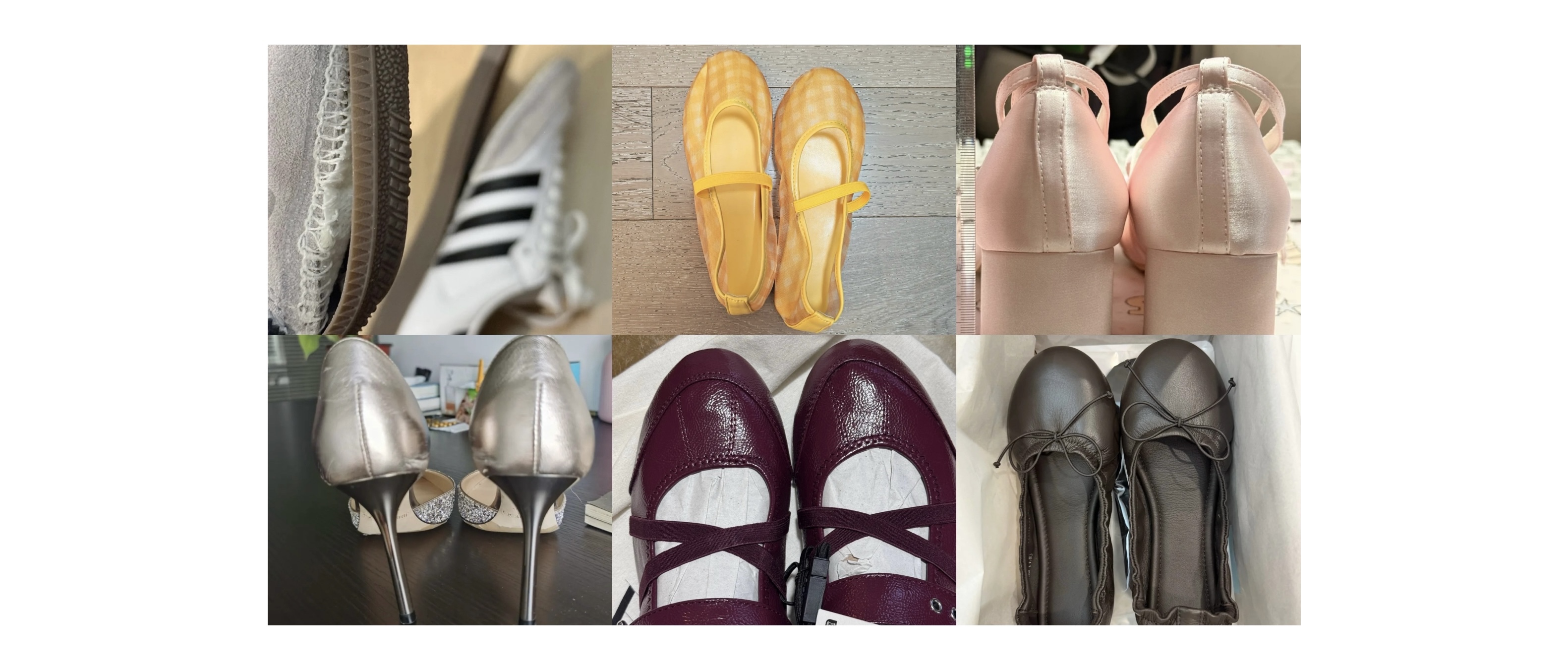
These problems can directly affect product durability. A shoe may pass a visual check when leaving the factory but fail after customers wear it several times. This is why professional footwear quality control should focus not only on appearance but also on construction reliability.
3. Material Defects
Materials have a direct influence on footwear performance. Common material-related problems include:
· Uneven leather texture
· Color inconsistency
· Surface damage
· Incorrect material thickness
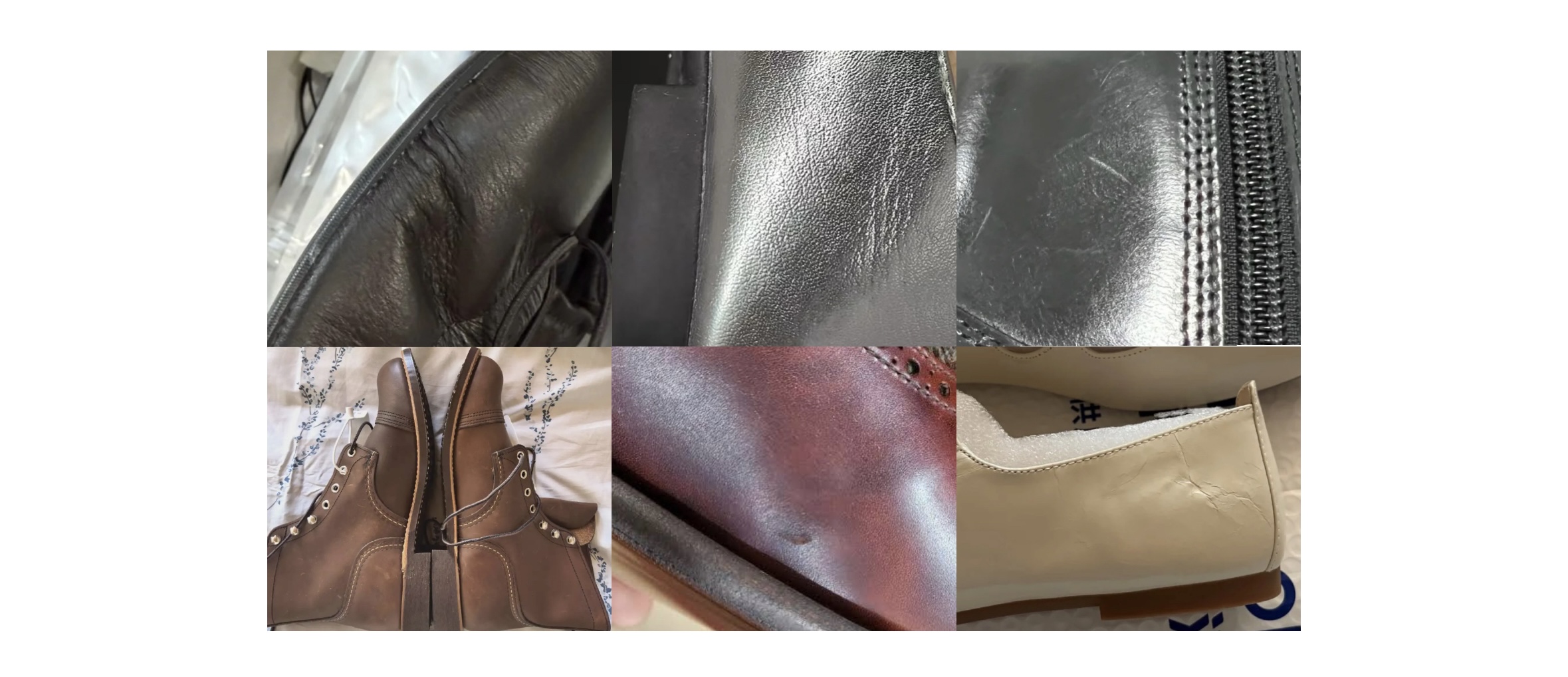
For example, a soft leather upper may look attractive during design development, but if the material does not have enough structure, the final shoe may lose its shape after production.Choosing the right material is not only a design decision. It is also a manufacturing decision.
4. Functional Defects
Functional defects affect the customer's wearing experience. Examples include:
· Incorrect sizing
· Poor fitting
· Lack of comfort
· Insufficient support
A shoe can have excellent appearance but still fail in the market if customers do not enjoy wearing it. This is especially important for online footwear brands because customers cannot physically try the product before purchase.
⭐7 Common Shoe Defects Every Footwear Buyer Should Know
During years of footwear development and production, we have found that some defects appear repeatedly across different shoe categories and markets.
From our experience working with different footwear projects, most quality problems are not difficult to identify. The challenge is identifying them early enough, before they affect thousands of pairs in bulk production.
Below are seven common shoe defects that footwear brands should pay close attention to:
1. Uneven Stitching
Stitching is one of the first details customers notice when they examine a shoe.
Common stitching issues include:
· Uneven stitch spacing
· Loose threads
· Broken stitches
· Misaligned sewing lines
For premium footwear, especially leather shoes, inconsistent stitching can immediately reduce the perceived value of the product.
# Real production example:
A brand developed a fashion platform sandal with a lightweight but thick outsole. The first sample looked attractive and passed visual approval. However, during wear testing, slight separation appeared after repeated bending.
After reviewing the construction, the manufacturer identified that the bonding process needed adjustment because the heavier sole structure created more stress.
The improvements included enhanced surface preparation, an updated adhesive process, and additional bonding checks.
The lesson for brands: A good sample is only the starting point. Production processes must be prepared to maintain the same standard at scale.
2. Glue Marks and Bonding Issues
Glue-related problems are among the most common appearance defects in footwear production.
Although customers may not understand the technical reason behind the problem, they immediately notice when a shoe looks unfinished. Typical issues include:
· Visible adhesive marks
· Uneven glue lines
· Dirty edges around the sole
· Poor finishing after bonding
Common causes include:
· Incorrect adhesive application
· Poor surface preparation
· Insufficient cleaning
· Lack of production control
A strong sole attachment is not simply about using more glue. It depends on:
· Material compatibility
· Surface treatment
· Adhesive selection
· Pressing conditions
Buyer consideration:
When evaluating a footwear supplier, brands should ask not only: “Can you make the shoe?”
but also: “How do you control bonding quality during production?”
3. Sole Separation
Sole separation is one of the most serious shoe manufacturing defects because it directly affects product durability. Typical problems include:
· The outsole separating from the upper
· Gaps appearing after wearing
· Weak bonding areas
This type of defect can quickly lead to customer complaints and returns.
# Real production example:
During the development of a women’s leather loafer collection, the approved sample had very clean decorative stitching around the toe area. However, during early bulk production, the QC team found that some pairs had slightly uneven stitch spacing.
The reason was not the sewing quality itself. The curved toe construction created higher difficulty during mass production, and the sewing process needed additional adjustment.
Our solution involved adjusting machine settings, standardizing sewing methods, and adding inspection points during stitching to systematically ensure quality control.
The lesson: Different shoe constructions require different production solutions. A process suitable for a flat shoe may not be suitable for a platform sandal or boot.
4. Color Inconsistency
For fashion footwear brands, color accuracy is extremely important. Customers expect the final product to match:
· Approved samples
· Product photos
· Brand color standards
Common color problems include:
· Different shades between production batches
· Left and right shoes showing variation
· Bulk production not matching the sample
This issue is especially common with genuine leather because natural materials have variations.
# Real production example:
A brand developed a collection of genuine leather ballet flats in a seasonal beige tone. The approved sample had the expected warm color. During bulk production, some leather panels appeared slightly different.
The issue was not a production mistake. It was caused by natural differences between leather batches.
Our response strategy is: Before production, experienced molders conduct strict color selection and material verification to ensure that the cut pieces of the same pair of shoes come from the same piece of leather or the same batch. Additionally, during the packaging of the finished shoes, a strong light color matching process is added to control the color difference within a reasonable range.
The lesson: Natural materials require professional management. The goal is not to remove all variation but to control it within an acceptable range.
5. Shape Deformation
A shoe’s shape is a major part of its design identity. Even when the materials and colors are correct, shape problems can make the final product look completely different from the approved sample.
Common issues include:
· Wrinkles on the upper
· Collapsed toe shape
· Uneven heel structure
· Poor silhouette retention
# Real production example:
A brand developed a soft leather ankle boot with a relaxed fashion style. The prototype had the desired shape, but during production testing, some boots showed wrinkles around the ankle area.
After evaluation, the team found that the leather was too soft for the original structure.
The solution involved adjusting reinforcement materials, improving the pattern structure, and refining the lasting process.
The lesson: Material choice and shoe construction cannot be separated. A beautiful design still needs the right technical foundation.
6. Size and Fit Problems
A comfortable fit is one of the most important factors influencing customer satisfaction. Common fitting issues include:
· Shoes feeling too narrow
· Incorrect sizing
· Pressure points
· Poor support
For international footwear brands, fitting can be more complicated because customers from different markets may have different expectations.
Possible causes include:
· Incorrect last development
· Insufficient fitting tests
· Poor size grading
· Changes between sample and production
A shoe must not only look right, but it must also feel right when worn. This is why professional footwear development usually includes:
· Sample fitting
· Wear testing
· Size evaluation
7. Differences Between Approved Samples and Bulk Production
One of the most common concerns from footwear buyers is: “Why does mass production look different from the approved sample?”.
This can happen with:
· Materials
· Colors
· Construction
· Finishing details
· Shoe shape
Common reasons include:
· The approved sample was not properly documented
· Production teams lacked clear references
· Material details were not controlled
· Quality standards were not communicated clearly
How experienced manufacturers prevent it: The approved sample should become the production benchmark.
Professional suppliers usually control:
· Material confirmation
· Production instructions
· Quality checkpoints
· Final inspection standards
A sample should not only represent the design. It should represent the expected quality level of the entire production order.
How Footwear Brands Can Reduce Shoe Defect Risks
Preventing defects requires cooperation between brands and manufacturers. Based on our experience, the following steps help reduce production risks significantly.
1. Work With a Manufacturer That Understands Product Development
A reliable OEM footwear partner should do more than follow instructions. The manufacturer should be able to provide feedback on:
· Material suitability
· Product structure
· Production feasibility
· Potential risks
Early suggestions can prevent expensive corrections later.
2. Provide Clear Product Information
Before sampling begins, brands should clearly define:
· Design requirements
· Materials
· Colors
· Construction details
· Quality expectations
Clear communication creates a stronger foundation for successful production.
3. Treat Sampling as a Problem-Solving Stage
The purpose of sampling is not only to create a product photo.
It is an opportunity to discover:
· Design issues
· Material problems
· Comfort concerns
· Production challenges
A carefully reviewed sample reduces risks during mass production.
4. Maintain Quality Control Throughout Production
Quality control should not happen only at the end. A professional footwear quality control system includes:
Before production:
· Material inspection
· Sample approval
· Production preparation
During production:
· Cutting inspection
· Sewing checks
· Assembly monitoring
· Bonding control
Before shipment:
· Final appearance inspection
· Size checking
· Packaging verification
A complete QC process helps ensure that finished products meet brand expectations.
Learn more about: Footwear Production Process
How SINGULAR Helps Footwear Brands Reduce Quality Risks
At SINGULAR, we believe footwear quality is created before mass production begins. Through years of footwear development and manufacturing experience, we have learned that many quality issues can be prevented before they reach the production stage. Many of these insights come from daily discussions with footwear brands, designers, and production teams, where we see the same challenges appear repeatedly during product development and manufacturing.
As an OEM & ODM footwear partner, we support brands throughout the development journey:
Product Development Support
Our team works with brands to evaluate:
· Design feasibility
· Material selection
· Construction methods
· Production requirements
This helps identify potential issues before they become manufacturing problems.
Sampling and Product Improvement
Sampling is a key stage where ideas become real products.
We offer professional sample development services to assist brands in their evaluation:
· Appearance
· Comfort
· Fit
· Production feasibility
Our goal is not only to create samples, but to help brands develop products that can be successfully produced at scale.
Quality-Focused Manufacturing
From material inspection to final shipment checks, quality control is integrated throughout the production process. We help brands manage:
· Material consistency
· Production standards
· Product inspection
· Shipment preparation
For global footwear brands, the right manufacturing partner can reduce uncertainty and create more reliable products.
FAQ: Common Shoe Defects
Q: What are the most common shoe defects?
A: The most common shoe defects include uneven stitching, glue marks, sole separation, color inconsistency, shape deformation, fitting problems, and differences between samples and bulk production.
Q: Why do shoe manufacturing defects happen?
A: They can result from unclear product specifications, unsuitable materials, insufficient sample evaluation, production inconsistency, or weak quality control.
Q: How can footwear brands prevent quality problems?
A: Brands can reduce risks by working with experienced OEM partners, providing clear product requirements, carefully evaluating samples, and maintaining quality checks throughout production.
Q: Why is the approved sample important in footwear production?
A: The approved sample should become the reference standard for bulk production, helping control materials, construction, appearance, and finishing consistency.
(Why does mass production differ from shoe samples?)
Q: What should footwear buyers check before shipment?
A: Buyers should check appearance, stitching, color consistency, construction, sizing, packaging, and overall product quality before shipment.
Conclusion: Quality Starts Before Production
For footwear brands, preventing defects is not only about finding problems during inspection. The most effective quality control starts much earlier:
· Choosing suitable materials
· Communicating product requirements clearly
· Evaluating samples carefully
· Working with an experienced footwear partner
Most production problems can be avoided when brands and manufacturers work together from the beginning.
At SINGULAR, we support footwear brands with product development, sampling, manufacturing, and quality control to help transform ideas into reliable footwear products.
Need a reliable footwear development partner?
From product design and sampling to manufacturing and quality inspection, SINGULAR helps footwear brands develop reliable products with reduced production risks.
Talk with our footwear development team →