
Introduction
For many footwear brands, approving a final shoe sample feels like the biggest milestone before placing a production order.
However, in real footwear manufacturing, sample approval is only the beginning of the production journey. The transition from an approved sample to mass production is where a supplier’s manufacturing experience, quality control system, and production management ability are truly tested.
A shoe that looks perfect during sampling still needs to go through multiple production stages before it becomes a finished product ready for customers. Factors such as material consistency, workmanship control, production accuracy, and inspection standards all influence whether the final bulk order matches the approved sample.
For international footwear brands, understanding the shoe production process is not only about learning how shoes are made. It helps buyers evaluate potential suppliers, identify production risks, and make better decisions before placing an order.
In this guide, we will explain the key stages of the footwear manufacturing process, from production preparation to final shipment, and share practical considerations that brands should understand when working with an OEM footwear manufacturer.
What Is the Shoe Production Process?
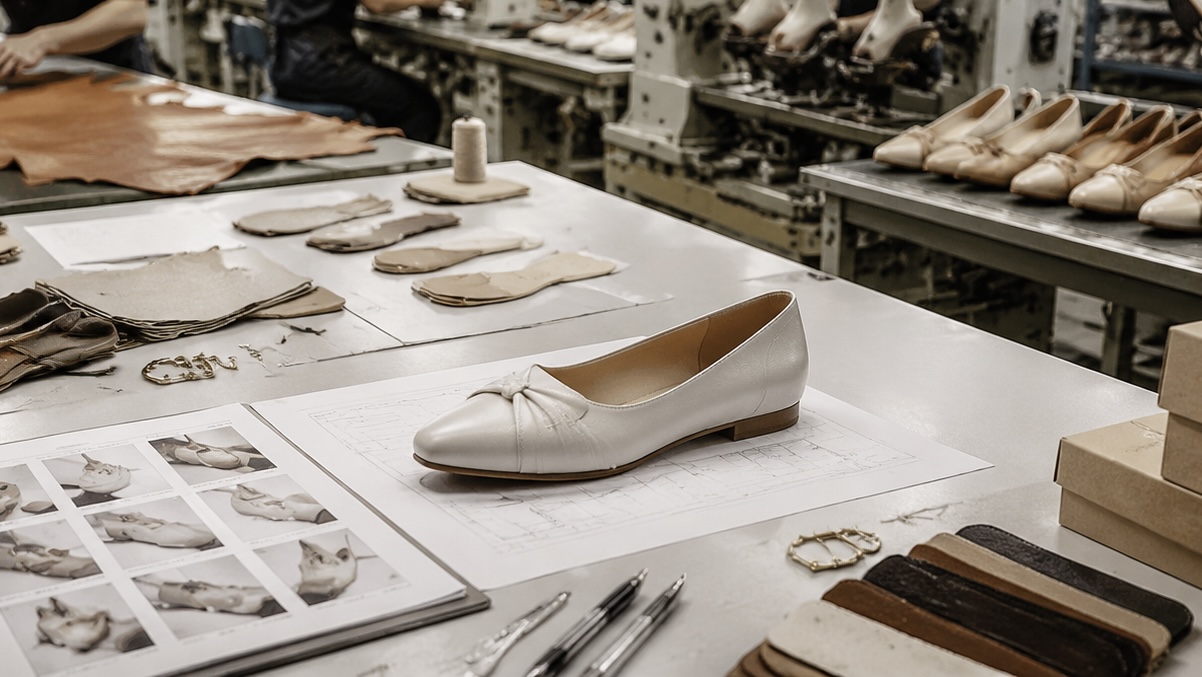
The shoe production process is the complete manufacturing workflow that transforms an approved footwear sample into finished products. It includes material preparation, cutting, upper assembly, lasting, sole attachment, finishing, quality inspection, and shipment preparation.
Before Mass Production: What Brands Should Confirm
Many production problems do not start during manufacturing. They often come from incomplete preparation before production begins.
Before a supplier starts bulk production, several key details should be clearly confirmed, including:
· Final approved sample
· Material specifications
· Color standards
· Construction details
· Size requirements
· Packaging requirements
· Quality expectations
The Approved Sample Is the Production Standard
The approved sample is the most important reference for mass production. It defines the expected standard for:
· Shoe shape
· Material appearance
· Stitching details
· Sole structure
· Logo placement
· Overall finishing
One common issue we see with new footwear brands is approving a sample based only on appearance while overlooking production details. For example, a brand may confirm the design direction but fail to define:
· The exact material finish
· Acceptable color variation
· Logo positioning
· Packaging details
When these points are unclear, different interpretations may happen during production, which can lead to quality differences or unnecessary revisions.
An experienced OEM footwear partner should help review these details before production starts and make sure the approved sample becomes a clear manufacturing reference.
Production Preparation: Turning a Sample Into Manufacturing Requirements
After sample approval, the supplier needs to translate the product into clear production requirements. This stage usually involves confirming:
· Materials
· Components
· Production methods
· Size specifications
· Quality standards
For overseas buyers, this step is especially important because most communication happens remotely. A professional supplier should be able to clearly communicate how the approved design will be manufactured and identify potential issues before they affect production.
This is also why a complete footwear tech pack is essential for keeping brands, designers, and manufacturers aligned, reducing misunderstandings, and ensuring the final product is developed according to the agreed specifications.
Step 1: Material Preparation — Quality Starts Before Production
Material preparation is the first major stage after production confirmation. Many buyers focus on the final appearance of a shoe, but the consistency of the finished product often depends on how well materials are controlled before manufacturing begins.
Materials need to be evaluated not only for appearance but also for production performance.
Why Material Control Matters
For leather footwear, manufacturers need to consider factors such as:
· Thickness consistency
· Surface quality
· Color variation
· Flexibility
Natural leather has unique characteristics, which means slight differences between batches are normal. However, experienced suppliers need to manage these variations to maintain consistency across large orders.
Synthetic materials also require careful evaluation because differences in:
· Texture
· Softness
· Coating quality
· Flexibility
can affect the final shoe appearance and construction.
A material that looks attractive during development may not always perform well during mass production. For example, a material that stretches too much may affect shoe shape during lasting, while a material with insufficient flexibility may affect comfort.
This is why professional manufacturers evaluate both: Design requirements and production feasibility before confirming materials.
Step 2: Cutting and Upper Assembly — Where Accuracy Creates Consistency
After materials are prepared, they are cut into individual components and assembled into the shoe upper. This stage includes:
· Cutting upper panels
· Preparing lining components
· Stitching different parts together
· Adding reinforcement materials
· Applying logos or decorative elements
Although these steps may appear straightforward, small inconsistencies can affect the final product quality.
Why Cutting Accuracy Matters
The cutting stage determines whether different shoe components fit together correctly. Small cutting errors may cause:
· Uneven stitching
· Incorrect panel alignment
· Left and right shoe differences
· Poor overall appearance
This is especially important for fashion footwear with:
· Multiple panels
· Color blocking
· Decorative details
· Special constructions
A professional factory should control cutting accuracy and inspect components before assembly.
Why Upper Assembly Requires Experience
The upper assembly stage is where manufacturing experience becomes highly visible.
Common issues include:
·Uneven stitching: Inconsistent stitching affects both appearance and durability.
· Incorrect alignment: This is especially noticeable in symmetrical designs or products with multiple materials.
· Poor finishing details: Loose threads, rough edges, or incorrect positioning can reduce the perceived quality of the final product.
For fashion footwear brands, these details are important because customers often judge product quality through appearance.
Step 3: Lasting Process — Turning the Upper Into the Final Shoe Shape
After the upper assembly is completed, the shoe enters the lasting stage. Lasting is one of the most important steps in the footwear manufacturing process because it determines how the upper takes its final three-dimensional shape around the shoe last.
This stage directly affects:
· Shoe silhouette
· Fitting comfort
· Toe shape
· Overall appearance
· Structural stability
Many brands focus heavily on the design and sample stage but underestimate how much the lasting process influences the final production result.
A shoe may look correct in a prototype sample, but maintaining the same shape during mass production requires accurate control of:
· Shoe last consistency
· Material behavior
· Pulling and shaping methods
· Technician experience
Why Can Bulk Production Look Different From the Sample?
One common question from footwear buyers is: Why does the bulk production sometimes look slightly different from the approved sample?
One important reason is that mass production involves thousands of repeated manufacturing processes. Even small differences in material handling or shaping methods can affect the final result.
For example, softer leather may stretch differently during lasting compared with synthetic materials. If the production team does not adjust the process accordingly, the final shoe shape may not fully match the approved sample.
An experienced footwear manufacturer understands how different materials respond during production and can adjust manufacturing methods to maintain consistency.
Common Lasting Issues Brands Should Be Aware Of
Some common problems during lasting include:
Incorrect shoe shape: The toe shape or overall silhouette may not match the approved sample.
Uneven left and right shoes: Small differences in shaping can create visible inconsistencies between pairs.
Fitting problems: Poor shaping control can affect wearing comfort even if the shoe looks visually acceptable.
This is why lasting is not simply a mechanical production step. It requires both technical knowledge and practical manufacturing experience.
Step 4: Sole Attachment — Ensuring Durability and Product Stability
After lasting, the upper and outsole are combined through the sole attachment process. The quality of this stage directly affects:
· Shoe durability
· Comfort
· Product lifespan
· Customer experience
Different footwear styles may use different construction methods, including:
· Cemented construction
· Injection molding
· Stitching construction
· Combination methods
For many fashion footwear categories, cemented construction is commonly used because it provides flexibility for different designs and materials.
However, regardless of the construction method, production control is essential.
Surface Preparation Before Bonding
Before attaching the outsole, both the upper and sole need proper preparation. This step is critical because poor surface treatment can lead to:
· Weak bonding
· Sole separation
· Reduced durability
A shoe may appear acceptable when leaving the factory, but weak bonding quality can create customer complaints after wearing.
Adhesive Control and Pressing Process
The adhesive process requires careful management.
Too much adhesive may create:
· Visible glue marks
· Poor appearance
· Additional finishing problems
Too little adhesive may reduce:
· Bonding strength
· Long-term durability
The pressing pressure and curing time also need to be properly controlled. A common production mistake is prioritizing speed over stability. Reducing necessary processing time may increase output temporarily, but it can create quality problems later.
A reliable OEM footwear manufacturer should balance production efficiency with product reliability.
Step 5: Finishing Process — Improving Details Before Final Inspection
After assembly is completed, shoes enter the finishing stage. This is where manufacturers check and improve small details before the products move to final inspection. Finishing usually includes:
· Removing excess glue
· Trimming loose threads
· Cleaning the shoe surface
· Checking decorative elements
· Improving final appearance
Although finishing is one of the final steps, it has a strong impact on how customers perceive product quality. For fashion footwear brands, small details often determine whether a product feels premium or average.
Why Finishing Quality Matters for Brands
Customers do not see the manufacturing process behind a product. They only see the finished shoe. Details such as:
· Uneven edges
· Glue marks
· Poor stitching appearance
· Surface damage
· Incorrect accessories
can directly influence their impression of the brand.
This is especially important for online footwear brands because customers often judge quality through product photos before making a purchase decision.
Step 6: Quality Inspection — Making Sure Bulk Production Meets Expectations
Quality control should not only happen after production is completed. A professional footwear manufacturer should manage quality throughout the entire manufacturing process, including:
· Material preparation
· Cutting
· Upper assembly
· Lasting
· Sole attachment
· Final inspection
This approach helps identify problems earlier and reduces the cost of corrections.
What Should Brands Check Before Shipment?
Before products are shipped, brands should confirm that finished shoes meet the agreed requirements. Important inspection areas include:
Appearance consistency
The finished products should maintain consistency in:
· Color
· Material appearance
· Stitching quality
· Overall shoe shape
Size and fitting accuracy
Shoes should be checked to ensure that sizing and fitting meet the approved specifications.
Construction quality
Key areas include:
· Sole bonding
· Stitching strength
· Component positioning
· Overall workmanship
Packaging condition
Packaging quality is also important because damaged boxes or incorrect labels can affect retail presentation.
For overseas buyers, professional inspection is especially important because they cannot always visit the factory during production. A reliable supplier should provide clear quality standards and communicate potential issues before shipment.
Brands can also refer to our Complete Guide about Common Shoe Defects to better understand the key points that should be reviewed before delivery.
Step 7: Packing and Shipment — Preparing Products for the Market
After passing quality inspection, shoes move into the final stage of production: packing and shipment preparation. This stage includes:
· Individual shoe packing
· Shoe box arrangement
· Carton packing
· Quantity confirmation
· Shipment preparation
For international footwear brands, shipment is not only about placing products into cartons. The supplier should also consider:
· Transportation distance
· Product type
· Packaging requirements
· Customer sales channels
For example, premium footwear brands may require stronger packaging protection to maintain product presentation, while larger retailers may focus more on efficient carton usage.
A professional footwear partner should understand the customer's business model and prepare shipments accordingly.
Common Production Problems Brands Should Understand Before Ordering
Even when a sample has been approved, challenges can still happen during mass production. Understanding these risks helps brands choose suppliers more effectively and avoid unnecessary costs.
Problem 1: Why Does Mass Production Differ From the Approved Sample?
This is one of the most common concerns among footwear buyers. Many brands expect bulk production to look exactly identical to the approved sample. However, some differences can occur because mass production involves:
· Larger material quantities
· Repeated manufacturing processes
· Different production conditions
Common causes include:
· Material batch variation
· Unclear sample standards
· Insufficient production communication
· Weak quality control procedures
The solution is not simply asking a supplier to “copy the sample”. A professional manufacturer should establish clear production standards based on the approved sample and monitor important quality points throughout production.
You can learn more about this topic in our guide: Why Does Mass Production Differ From Sample?
Problem 2: Production Delays Caused by Poor Preparation
Many production delays are not caused by factory capability. They often happen because important decisions are not finalized before production begins. Common examples include:
· Late material confirmation
· Changes after production starts
· Unclear packaging requirements
· Delayed approval feedback
Good production planning starts before manufacturing begins. An experienced footwear supplier should help brands identify possible risks early and confirm important details before production.
Problem 3: Choosing a Supplier Based Only on Price
Cost is naturally an important factor when selecting a footwear supplier.
However, choosing a manufacturer only because of the lowest quotation may create additional risks. A lower initial price may result in unexpected costs caused by:
· Repeated sample revisions
· Production delays
· Quality issues
· Additional corrections
A reliable OEM footwear manufacturer should help brands balance:
· Target cost
· Product quality
· Production feasibility
· Long-term business goals
The right supplier is not only a company that can produce shoes. It is a partner that can help brands reduce manufacturing risks and create more predictable results.
How to Choose a Reliable Footwear Manufacturing Partner?
Understanding the shoe production process helps brands better evaluate potential suppliers. However, choosing the right footwear manufacturer requires looking beyond production capability and factory capacity.
For many international footwear brands, especially startups and growing businesses, the biggest challenge is not simply finding a company that can make shoes. The challenge is finding a manufacturing partner who can understand product requirements, manage production risks, and help ensure consistency from sample approval to final delivery. Brands using a private label model should understand how their footwear moves from product development and sampling into bulk production.
A reliable OEM footwear supplier should provide more than manufacturing services. They should support brands throughout the production process and help solve practical problems before they become costly issues.
1. Evaluate the Supplier’s Development and Production Experience
A capable footwear manufacturer should understand both product development and manufacturing execution. During production, brands often face questions such as:
· Is this design suitable for mass production?
· Are the selected materials practical?
· Will the construction affect cost or quality?
· Are there potential risks during manufacturing?
An experienced supplier can provide suggestions based on real production experience instead of simply following instructions. This is especially valuable for emerging footwear brands that may have strong design ideas but limited manufacturing knowledge. A supplier who can identify potential problems early can help reduce unnecessary sample revisions, production delays, and additional costs.
2. Check Whether the Supplier Can Maintain Sample-to-Production Consistency
A successful production process depends on how well the supplier transfers the approved sample into a clear manufacturing standard. Brands should understand:
· How the sample details are documented
· How production requirements are communicated
· How quality is monitored during manufacturing
A professional footwear manufacturer should have a structured process to ensure that the approved sample is not only a reference image but a practical production standard. This includes controlling:
· Materials
· Construction methods
· Workmanship expectations
· Final appearance
3. Consider Experience With Similar Footwear Categories
Different footwear categories require different manufacturing experience. A supplier experienced in one product category may not always have the same expertise in another. For example:
Women’s sandals require careful control of:
· Strap construction
· Comfort
· Material flexibility
Leather loafers require attention to:
· Material quality
· Shoe structure
· Shape retention
Ballet flats require accurate control of:
· Shoe last
· Fitting
· Lightweight construction
Platform shoes require experience with:
· Sole stability
· Weight balance
· Special construction methods
When selecting a footwear manufacturer, brands should consider whether the supplier has experience with similar products rather than only looking at general footwear production capability.
4. Understand the Supplier’s Quality Control System
Quality control is one of the most important factors in overseas footwear production. A reliable supplier should not depend only on final inspection. Quality should be managed throughout the manufacturing process, including:
· Material checking
· Component inspection
· Production monitoring
· Final product inspection
This approach helps identify problems earlier and prevents small issues from becoming large production problems.
For international buyers who cannot visit the factory frequently, a transparent quality control process provides additional confidence during production.
5. Choose a Partner Who Provides Solutions, Not Only Production
The relationship between a brand and an OEM supplier should go beyond receiving orders and producing products.
During development and production, unexpected challenges are common. For example, a material may not perform as expected, a construction method may increase costs, or a design detail may create production difficulties.
A strong manufacturing partner should be able to provide practical solutions, such as:
· Suggesting alternative materials
· Improving construction methods
· Adjusting production approaches
· Finding a balance between design requirements and manufacturing feasibility
The best suppliers do not simply explain what cannot be done. They help brands find a workable solution.
How SINGULAR Supports Footwear Brands From Development to Mass Production
At SINGULAR, we work with international footwear brands, retailers, and startups to support the complete OEM/ODM footwear manufacturing process. Our role is not only to coordinate production but also to help brands reduce risks during product development and manufacturing.
We support brands through:
· Footwear development
· Sample creation
· Material selection support
· OEM and ODM production coordination
· Quality management
· Shipment preparation
During the development stage, our team helps review product ideas, evaluate manufacturing feasibility, and transform design concepts into production-ready footwear.
During the prototyping stage, with our in-house sample development and research center, we can help brands test and validate new product ideas more efficiently.
During mass production, we focus on maintaining consistency between approved samples and finished products through clear communication, production coordination, and quality control procedures.
For brands looking for a reliable footwear manufacturing partner, the goal is not only to produce shoes. It is to create a smoother, more predictable, and more efficient product development and production experience.
Frequently Asked Questions About Shoe Production Process
Q: How long does the shoe production process take?
A: The timeline of the shoe production process depends on several factors, including footwear style complexity, material availability, order quantity, and the supplier’s production schedule. After the final sample is approved and all production details are confirmed, the manufacturer can provide a more accurate production timeline based on the specific project requirements.
Q: Why can mass production differ from the approved sample?
A: Mass production can sometimes differ from the approved sample because manufacturing involves larger quantities, repeated production processes, and variations in material behavior. Without clear production standards and effective quality control, small differences in materials, workmanship, or production handling may become noticeable in bulk orders.
Q: What should brands confirm before starting shoe production?
A: Before starting production, brands should confirm the final approved sample, material specifications, color standards, construction details, packaging requirements, and quality expectations. Clear confirmation at this stage helps suppliers understand the exact production requirements and reduces the possibility of delays or quality problems.
Q: How do I choose a reliable footwear manufacturer?
A: A reliable footwear manufacturer should be evaluated based on more than price. Brands should consider the supplier’s product development experience, manufacturing capability, quality control system, communication efficiency, and ability to provide practical solutions throughout the production process.
Q: Can a footwear manufacturer help improve my shoe design?
A: Yes, an experienced OEM/ODM footwear manufacturer can provide valuable input during product development. Based on manufacturing experience, suppliers can help identify technical challenges, recommend suitable materials or construction methods, and improve the balance between design expectations, cost targets, and production feasibility.
Summary: Understanding the Shoe Production Process Helps Brands Make Better Decisions
The shoe production process involves much more than assembling different shoe components. From material preparation to final shipment, every stage influences product quality, production consistency, and customer satisfaction.
For footwear brands working with overseas suppliers, understanding the manufacturing process provides valuable knowledge when evaluating potential partners and managing production expectations.
A professional footwear manufacturer does not simply follow production steps. They also manage potential risks throughout the process to make sure design expectations can be successfully transferred into mass production.
By understanding how shoes are manufactured, brands can reduce production risks, improve supplier communication, and build stronger long-term partnerships.