
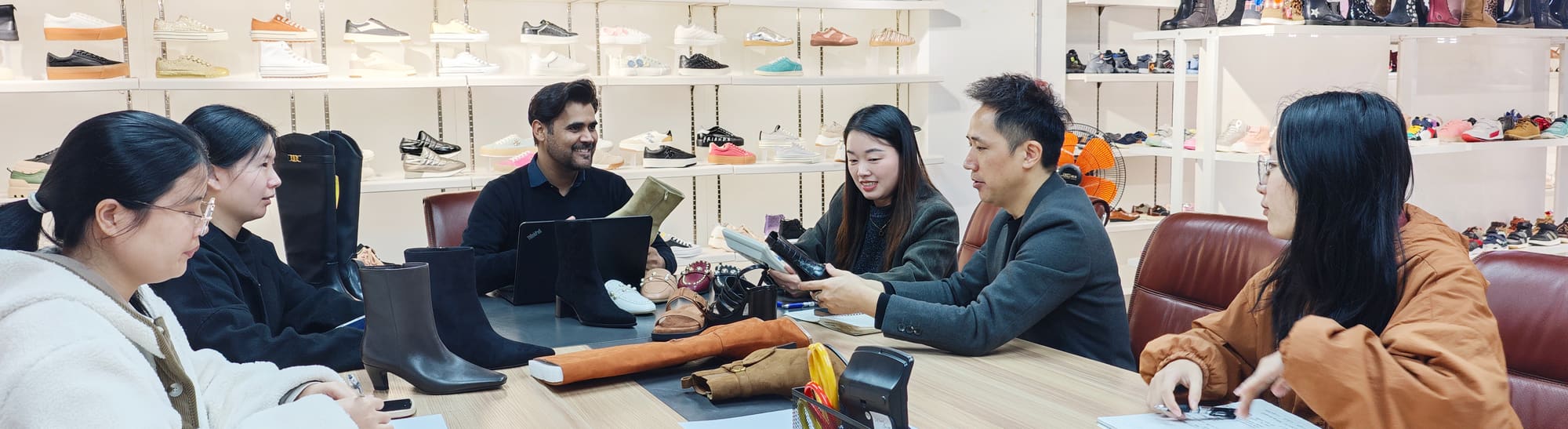
Is This Page for You?
This guide is designed for you if you:
Have an idea for a shoe line, but don't know the next step
Want to launch a private label collection with limited experience
Are unsure about materials, MOQ, costs, or timelines
Prefer a clear roadmap instead of complex technical language
What You Need to Start (Not Much)
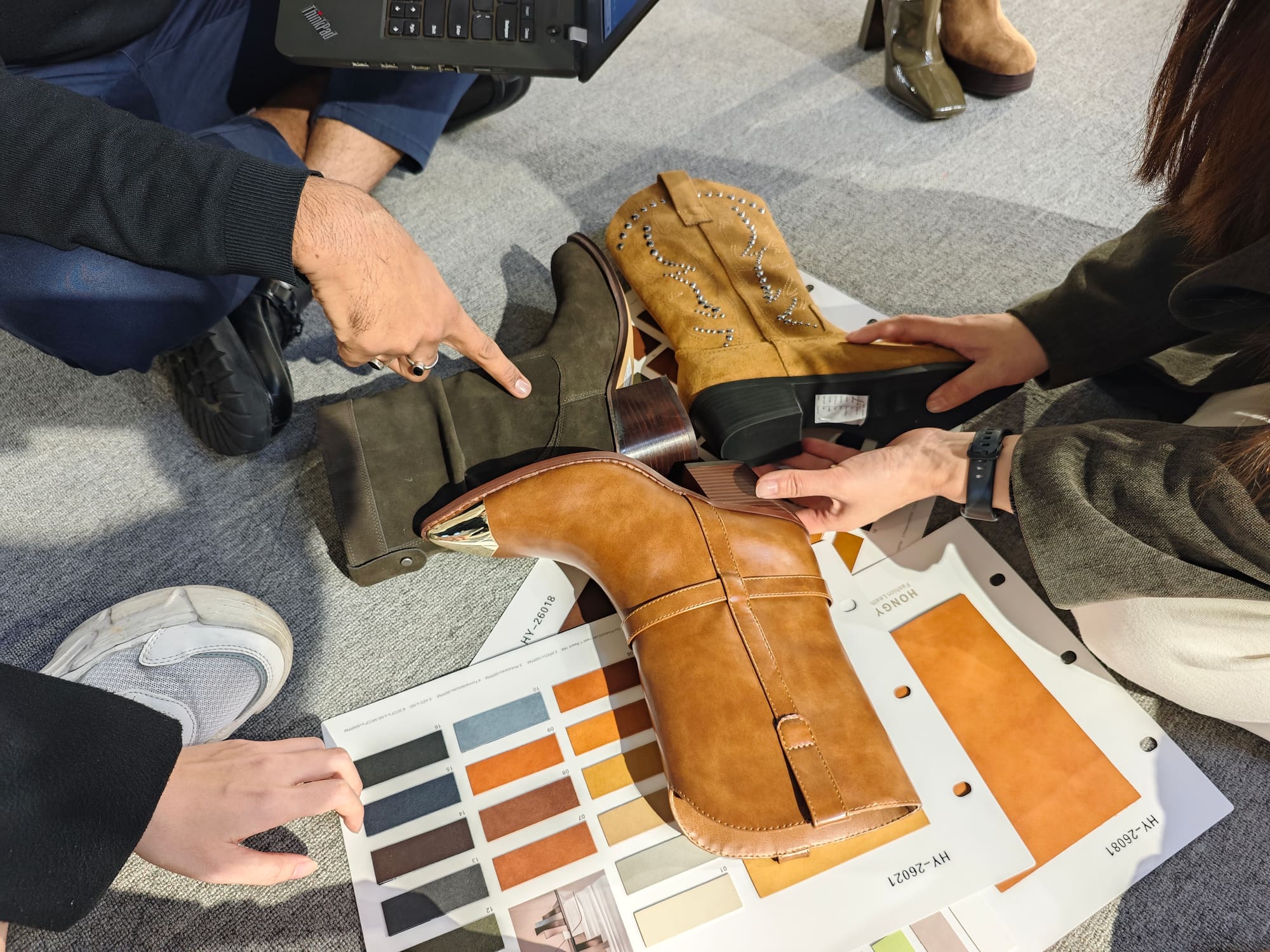
You don't need technical packs or industry experience to begin. To start a project, prepare the following:
- Target market: where you plan to sell (e.g., US, Europe, Latin America)
- Price level: entry / mid / premium (even a rough range helps)
- Reference styles: photos, links, or designs you like
- Shoe category: women's / men's / kids' (or a mix)
- Timeline: when you want to launch (season, month, or deadline)
Tip: Tip: The clearer your direction, the faster your project moves forward.
A Simple Roadmap: From Idea to Product
Starting a shoe project becomes much easier when the process is visible. Here is a simple roadmap many first-time clients follow:
Define Your Market & Customer
Who will buy your shoes, and why? Your market and price level will determine design direction, materials, and construction.
Choose Your Style Direction
Select a clear style theme (e.g., sandals, flats, sneakers, boots) and the look you want to achieve.
Select or Customize Styles
Start from reference styles or existing directions, then adjust details such as color, materials, trims, and branding.
Review Samples & Refine Details
Samples help confirm the real product—fit, comfort, construction, and visual details—before moving forward.
Confirm Cost, Quantity & Timeline
At this stage, your project becomes a production plan: clear expectations, clear targets, clear milestones.
Move into Production & Prepare Delivery
Production and delivery planning should align with your launch schedule and sales plan.
Two Common Ways New Brands Start
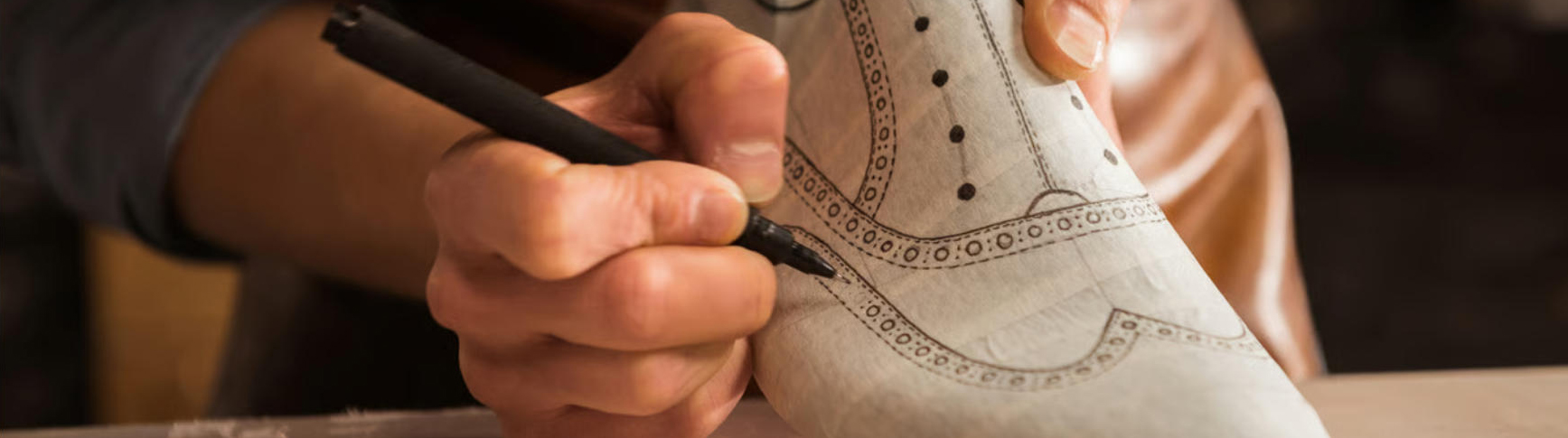
Most beginner projects follow one of these two paths. Choose the one that matches your current stage:
Start from Existing Style Directions
Best for first collections and fast launches.
- Faster decision-making
- Lower development risk
- Easier to build a cohesive collection
Start from Your Own Idea
Best when your brand concept is clearly defined.
- More customization possibilities
- Requires clearer direction and details
- Better for unique brand positioning
Common Mistakes to Avoid
Many first-time projects fail not because of ideas, but because of avoidable decisions. Here are the most common mistakes:
Starting with too many styles
A focused collection sells better and is easier to manage.
Ignoring price expectations
Your target price level must guide materials and choices.
Focusing only on looks
Fit, comfort, and durability influence repeat sales.
Underestimating timelines
Sampling, revisions, and shipping all need realistic scheduling.
What a Strong First Project Looks Like
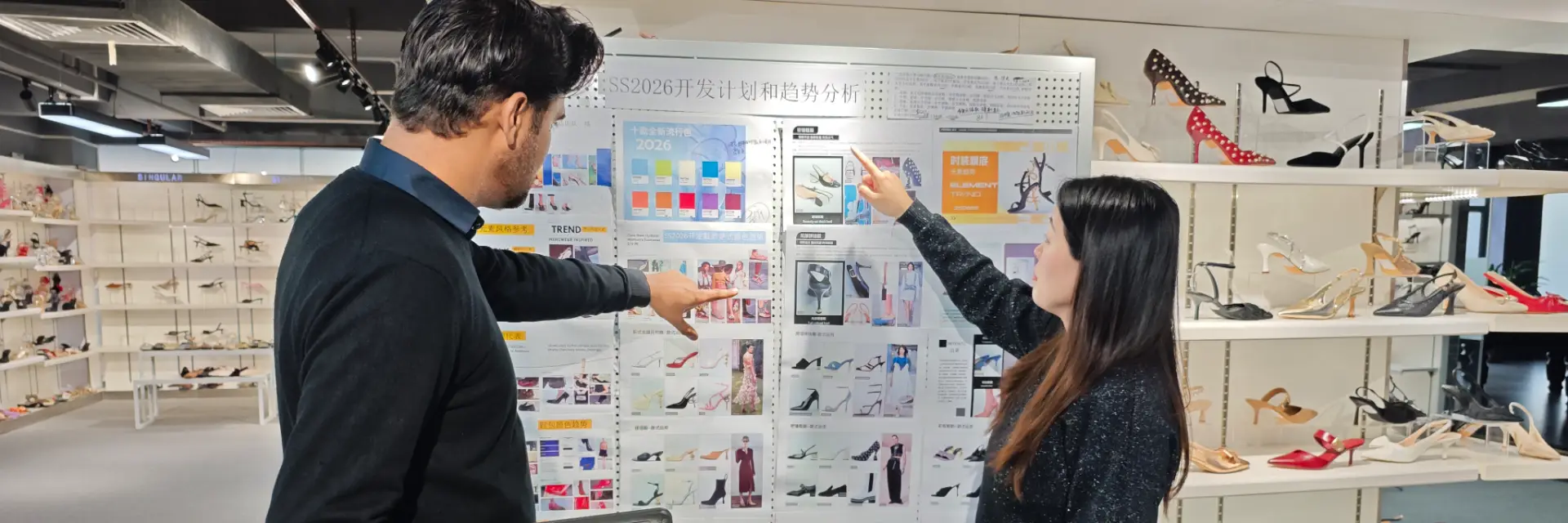
A successful first footwear project typically has:
- A clear target market and price level
- A focused selection of styles (not too many)
- Samples that match the brand direction and market needs
- A realistic timeline from development to launch
- Clear communication and decision-making at each step
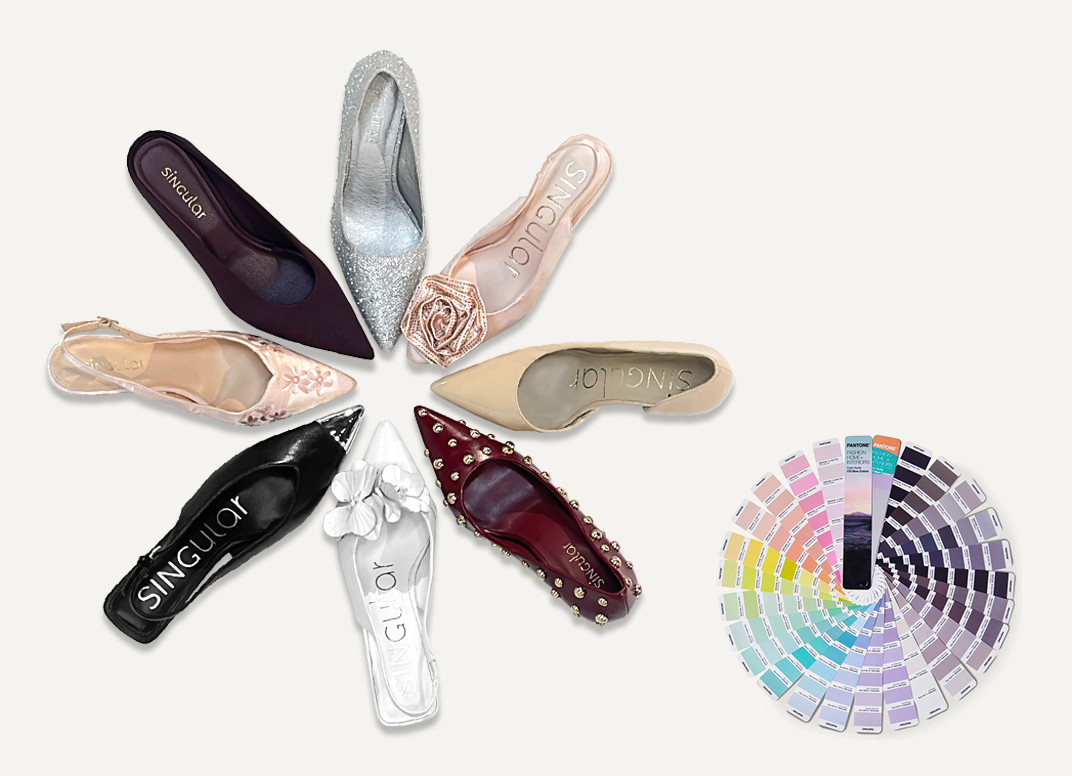
Result: Market Ready Product