
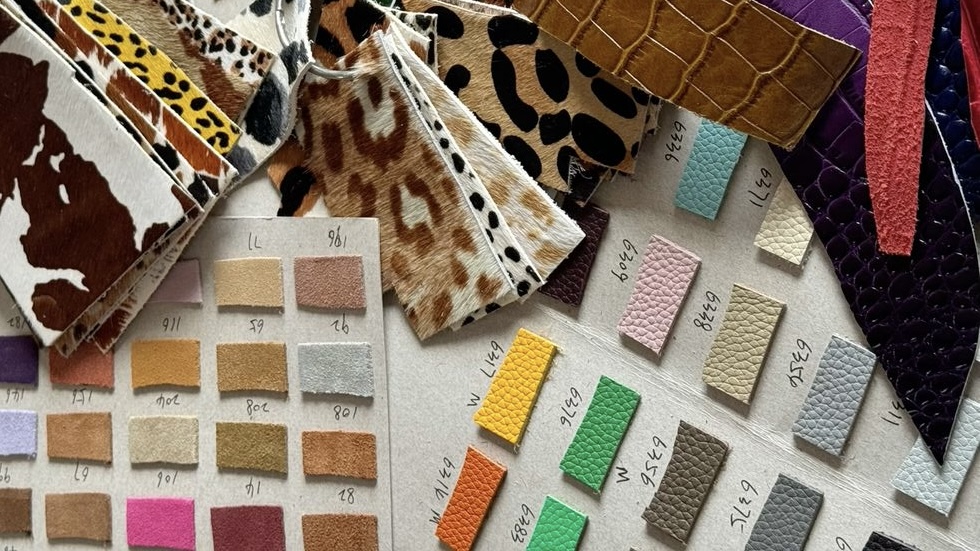
Choosing materials is one of the earliest decisions in footwear development—and one of the easiest to oversimplify. Ask ten designers or product developers which material is best for a shoe, and you'll probably get ten different answers. Leather is still closely associated with premium quality and craftsmanship. Synthetic materials remain the practical choice for many commercial footwear programs because of their consistency and cost advantages. Bio-based alternatives are attracting growing attention from brands looking for new ways to address sustainability.
But in real footwear development, there is rarely one universally “best” material. The better question is: Which material makes the most sense for this particular product, customer, and business model?
A material that works perfectly for a premium leather loafer may not be suitable for a high-volume fashion sandal. Likewise, an innovative material that looks promising during sampling may create challenges later if supply, cost, or production consistency cannot support a larger order.
From working on different types of footwear projects, we've found that the strongest material decisions usually balance design intent with commercial reality. Product positioning, target price, expected volume, and sourcing stability often matter just as much as appearance.
This guide looks at leather, synthetic, and bio-based materials from that practical perspective—helping fashion footwear brands understand not only how these materials look and feel, but also what they mean for development and production.
Leather, Synthetic, And Bio-Based Materials: What's The Difference?
Before comparing materials, it's worth clarifying what these categories actually mean in footwear development. The lines between them are not always as simple as they appear.
Genuine Leather
Leather has long been a foundation of premium footwear. Full-grain leather, top-grain leather, nubuck, suede, and patent leather all have different characteristics, but they share qualities that are difficult to reproduce exactly: natural texture, breathability, and the ability to develop character over time.
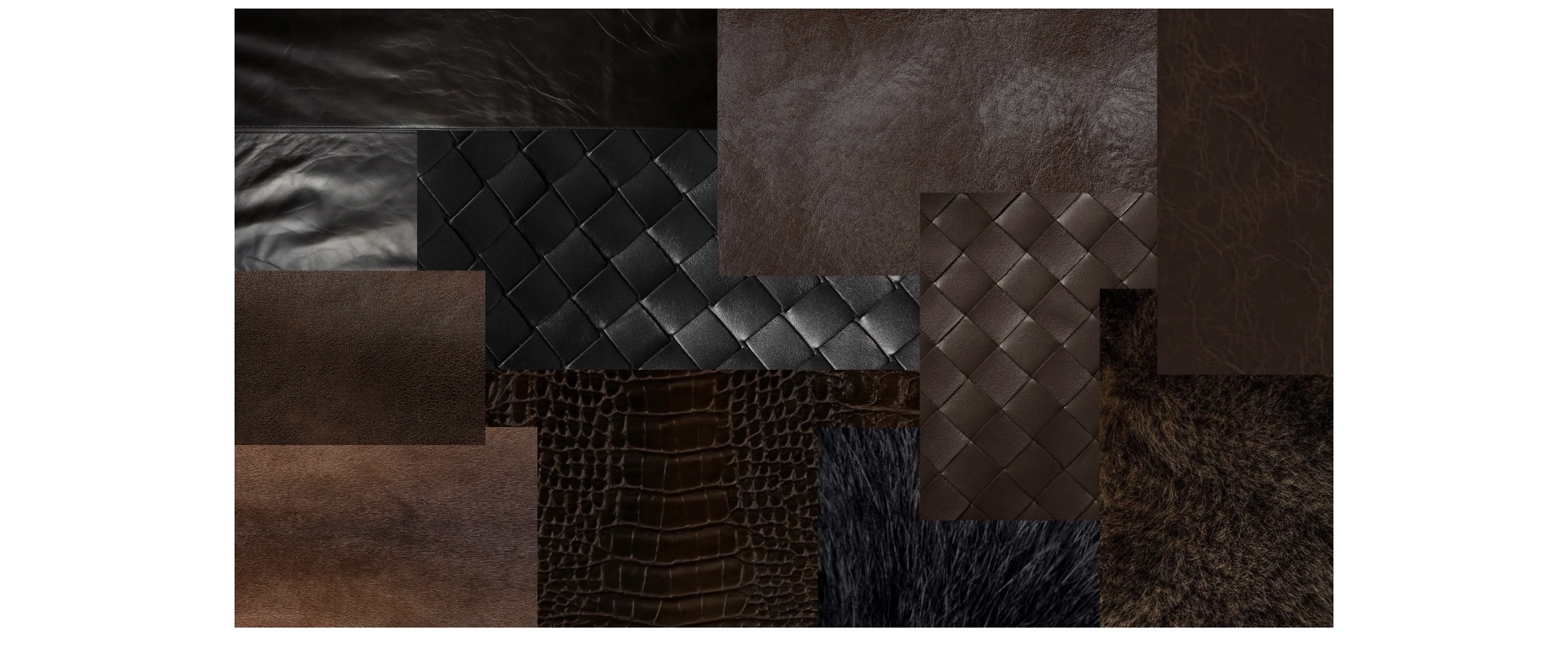
Leather also brings more variation into the development process. No two hides are identical, which means material selection, cutting, and yield require more attention than they do with engineered materials.
That additional complexity is part of the reason leather footwear requires experienced handling—but it is also part of what gives a well-made leather shoe its character.
Synthetic Materials
Synthetic materials cover a broad range of options, including PU, microfiber, coated textiles, TPU films, and other engineered materials.
They are widely used in commercial women's footwear because they offer something manufacturers value highly: predictability. Thickness, color, surface finish, and texture can usually be controlled more consistently, making them easier to manage across larger production runs.
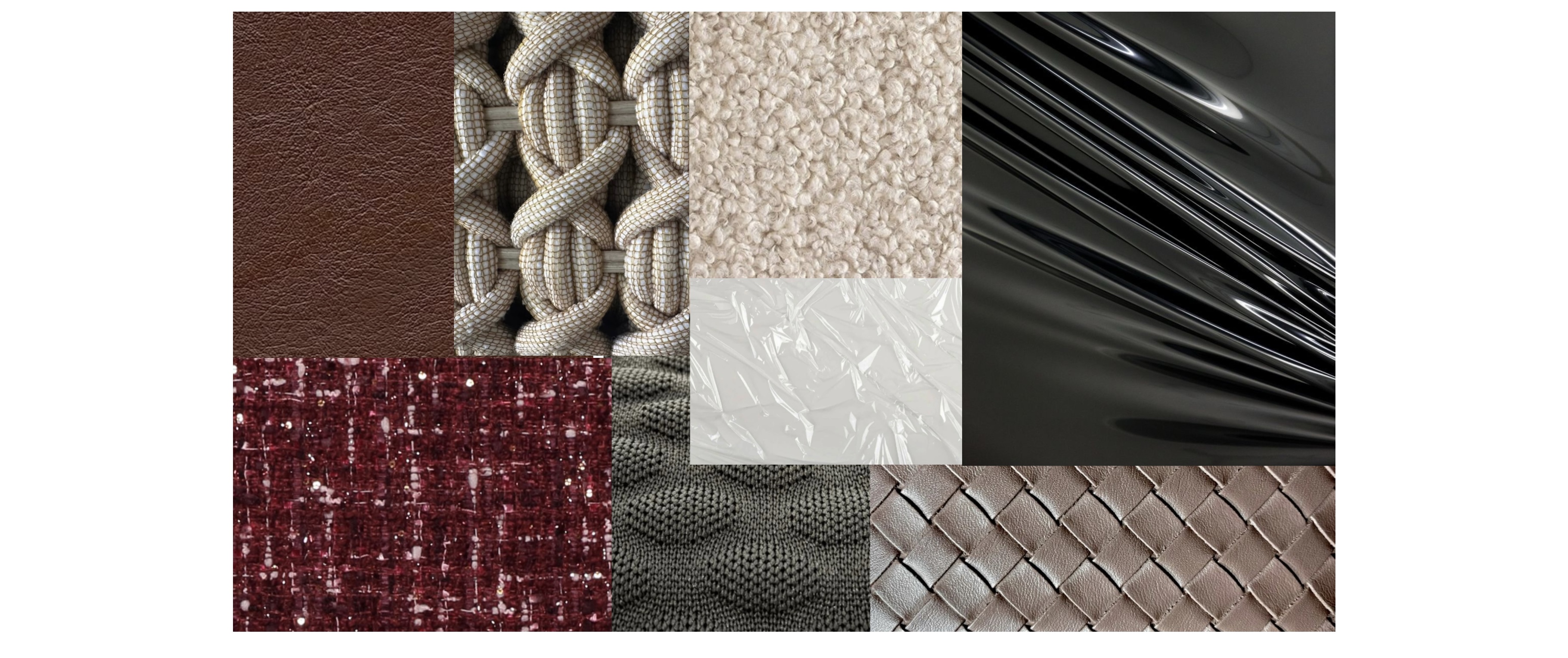
Modern synthetic materials have also improved significantly. A good-quality PU or microfiber can deliver a refined appearance while offering more stable production performance than natural materials in some applications.
Of course, quality varies widely. Choosing “synthetic” is not a material specification in itself—the actual construction and performance of the material still need to be evaluated for the intended shoe.
Bio-Based Materials
Bio-based materials are one of the most interesting areas of footwear innovation, although the category is still developing in terms of industrial maturity. It's important to understand that most commercially available bio-based footwear materials today are not 100% plant-based. Many use renewable or plant-derived content together with synthetic polymers to achieve the flexibility, abrasion resistance, and durability required for footwear.
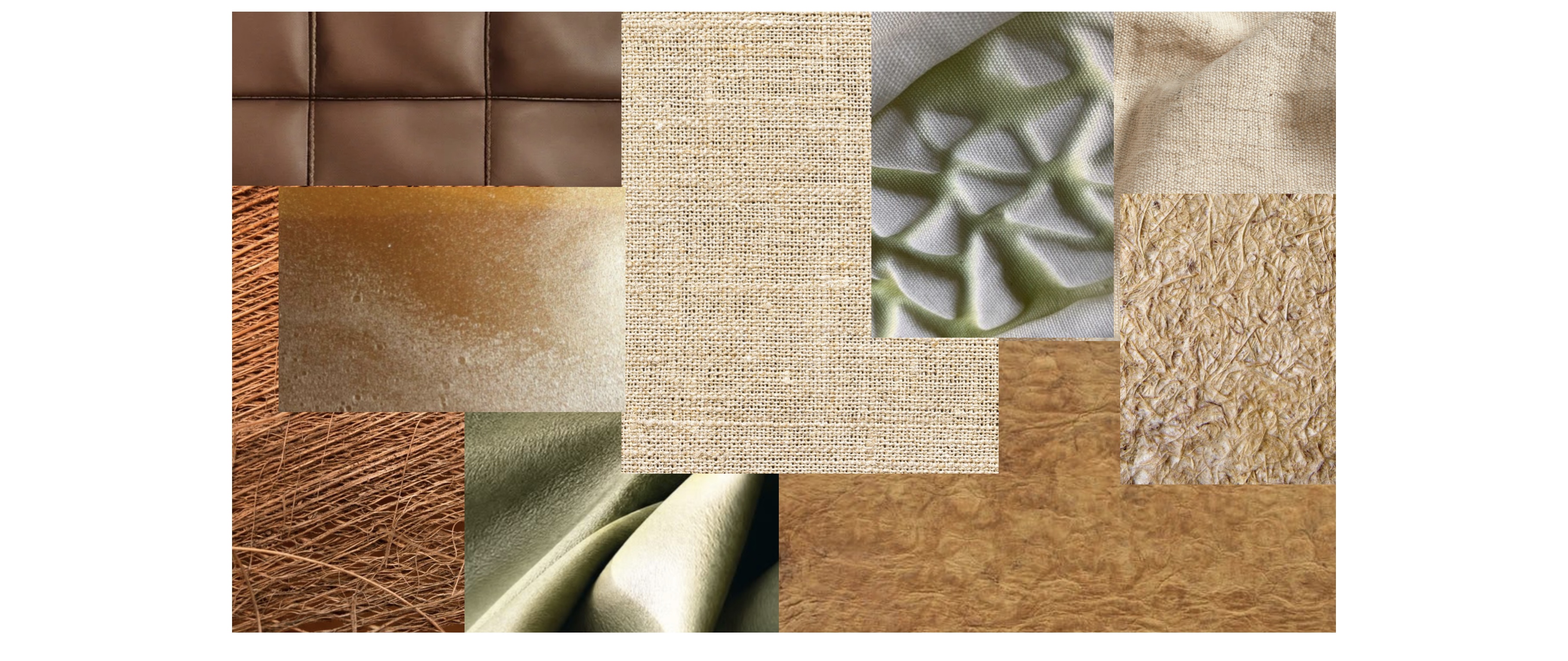
Their appeal is not only technical. For some brands, these materials can also support a broader sustainability strategy and product story. However, availability, MOQ, certification, cost, and batch consistency should all be discussed before committing to a material for a larger program.
This doesn't make bio-based materials less valuable. It simply means they should be evaluated with the same level of practical scrutiny as any other material.
Why Material Selection Matters Beyond Appearance?
Material selection is often treated as a design decision, but its impact continues throughout the entire development and production process. The material affects how a pattern can be cut, how the upper behaves during stitching and lasting, how consistent the product remains from one production batch to another, and how predictable material consumption will be.
A material may look excellent on a showroom sample but behave very differently when production scales to thousands of pairs. This is why an approved sample does not guarantee identical results in mass production, and why experienced footwear developers look beyond initial appearance. The real question is whether the material can consistently support product requirements, not just whether it looks right on the first sample.
As footwear brands work with more global markets and increasingly complex supply chains, reliability has become just as important as aesthetics.
How The Three Materials Compare In Commercial Footwear?
There is no simple ranking between leather, synthetic, and bio-based materials. Each category performs differently depending on the product and production requirements.
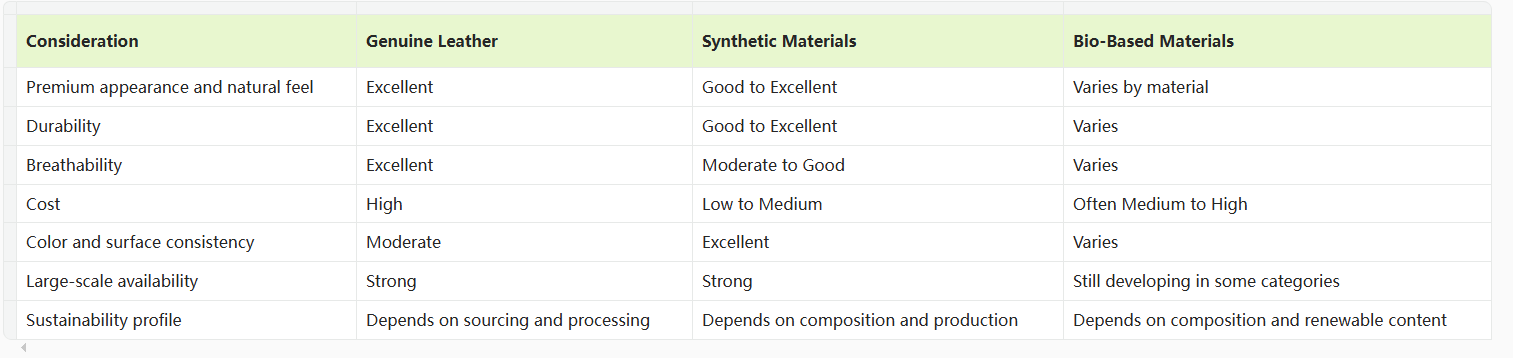
The table is best used as a starting point rather than a final decision. A premium microfiber may outperform a lower-grade leather in some applications, while two materials sold under the same “bio-based” category may have very different compositions and performance characteristics.
What Manufacturers Look For Before Scaling A Material?
From a manufacturing perspective, the question is often less about which material is more fashionable and more about whether it can perform reliably under production conditions. Leather, for example, requires careful material selection and cutting because natural variation can affect yield and consistency. Synthetic materials are generally easier to control across large quantities, which can make production planning more predictable.
Newer materials introduce another consideration: supply maturity. A material may perform well during sampling but still create problems later if the supplier cannot maintain the same specification, color, or availability over multiple production cycles.
Before approving a material for mass production, an experienced development team will usually consider questions such as:
· Does the material perform well with the intended shoe construction?
· Can the same specification be sourced consistently?
· Is the lead time realistic for the production schedule?
· Are there any risks related to cutting, stitching, bonding, or lasting?
· Does the material support the expected retail price and order volume?
These conversations are often more valuable during the development stage than after a final sample has already been approved. Identifying a potential material issue early is usually far easier than changing direction once production planning has started.
Matching Materials To Your Brand And Product Strategy
Material selection becomes much clearer when it starts with the product strategy rather than the material itself.
Fast Fashion and Trend-Driven Brands
For fast fashion brands, material decisions are usually closely tied to speed, cost, and availability. A material may look excellent, but if it cannot be sourced consistently or delivered within the development timeline, it can quickly become a practical problem.
High-quality PU, microfiber, and selected recycled materials are often suitable options because they provide greater consistency and flexibility for commercial production. The key is finding a quality level that supports the brand's intended price and customer expectations.
Premium Contemporary Brands
Premium contemporary brands often need to balance refined aesthetics with commercial practicality.
Genuine leather can add natural character and perceived value, while premium microfiber and other engineered materials may offer consistency and performance benefits depending on the style. In this segment, the material should support the overall product experience—not simply increase the material cost.
For example, a structured loafer may benefit from the character and aging properties of leather, while a fashion-focused ballet flat could achieve the desired appearance and price point with a carefully selected microfiber.
Sustainability-Focused Brands
For brands where sustainability is part of the core positioning, material selection needs to go beyond the marketing claim.
The composition of the material, supplier transparency, available certifications, durability, and production feasibility all deserve attention. Many brands are finding that a gradual approach works better than trying to replace every conventional material at once.
Recycled textiles, selected bio-based materials, or alternative components can be introduced where they make practical sense while the rest of the product continues to meet performance and commercial requirements.
Luxury Brands
Luxury footwear places greater emphasis on material authenticity, craftsmanship, and long-term product value. For many collections, genuine leather remains central because of its natural feel, aging characteristics, and ability to showcase skilled construction.
Sustainability can still play a role, but it is often approached through responsible sourcing, material quality, and longevity rather than simply replacing traditional materials.
Before Choosing a Material, Start with the Product
Before asking a supplier which material is “best,” it helps to define the product first.
What is the target retail price? How many pairs do you expect to produce? Which market is the shoe being developed for? Is it a seasonal fashion style or a product intended to remain in the collection for several years? These questions can change the material decision significantly. A material suitable for a limited premium collection may not make sense for a high-volume program. An innovative alternative may support a brand's sustainability goals but require longer sourcing lead times or additional development work.
In our experience, the best results usually come when material discussions start early—while the design and construction are still flexible. This gives the development team more room to compare options and identify potential production issues before changes become expensive.
It's also common for successful footwear collections to use more than one material strategy. A premium leather loafer may sit alongside microfiber ballet flats or sandals incorporating recycled or bio-based components, with each choice serving a different product and price position.
Material Innovation Is Creating More Options—Not One Perfect Replacement
Material innovation is moving quickly, and brands have more choices today than they did just a few years ago.
Bio-based polymers, recycled materials, and new lower-impact alternatives are gradually expanding the options available to footwear developers. But innovation does not necessarily mean traditional materials will disappear.
Leather and conventional synthetics will continue to play important roles in commercial footwear. The bigger change is that brands can now make more targeted decisions, combining different materials according to product needs and business priorities.
The most practical approach is to stay open to new options while remaining realistic about performance, supply, and production requirements. Before introducing a new material into a collection, it is worth validating more than its appearance or sustainability claims. Consistency, machinability, testing requirements, lead times, and long-term supply capacity can all affect whether an innovative material becomes a successful commercial product.
So, Which Material Should Your Brand Choose?
The answer depends on what you're trying to achieve:
• Genuine leather is often the right choice when premium quality, natural feel, craftsmanship, and longevity are central to the product.
• Synthetic materials can be a strong option when consistency, cost control, and efficient production at scale are priorities.
• Bio-based materials may be worth considering when sustainability is an important part of the brand strategy and the project can accommodate the current realities of sourcing and development.
But the choice does not always have to be one or the other. Many successful footwear products combine materials strategically. A leather upper might be paired with a recycled textile lining, while a fashion sandal could use synthetic uppers together with selected lower-impact components.
The goal is not to choose the newest or most expensive material. It's to find the combination that supports the design, customer expectations, production requirements, and commercial objectives of the product.
Frequently Asked Questions
Q: What is the best material for women's fashion shoes?
A: There is no universal answer. Leather is often chosen for premium quality and durability, synthetic materials offer cost efficiency and consistency, while bio-based options can support sustainability goals. The right choice depends on the target customer, price point, and product positioning.
Q: Is synthetic leather better than genuine leather?
A: Not necessarily. Genuine leather offers natural texture and long-term durability, while modern synthetic materials can provide excellent consistency, appearance, and cost advantages. The better choice depends on the specific product rather than the material category alone.
Q: Are bio-based footwear materials completely plastic-free?
A: Usually not. Many commercially available bio-based footwear materials combine renewable content with synthetic components to achieve the performance required for footwear. Brands should review the actual composition rather than relying on a broad material label.
Q: Which footwear material is the most sustainable?
A: There is no single answer. Sustainability depends on factors such as sourcing, material composition, durability, manufacturing processes, and end-of-life options. A longer-lasting, responsibly sourced material may be a better choice than one that carries a sustainable label but has limited durability.
Q: When should a footwear manufacturer be involved in material selection?
A: Ideally, as early as possible during product development. A manufacturer or development partner can help assess whether a material is suitable for the shoe construction, available at the required volume, and realistic for the target price and production schedule.
Q: Can different footwear materials be combined in one shoe?
A: Yes. Most commercial footwear already combines different materials to balance aesthetics, comfort, durability, and cost. The key is making sure the materials work well together throughout wear and production.
Final Thoughts
There is no single “best” material for fashion footwear. Leather, synthetic materials, and bio-based alternatives all serve different purposes, and the right choice depends on what the product is expected to achieve.
In real footwear development, material selection is rarely just about appearance. A material also needs to work within the target price, production volume, quality expectations, and supply requirements of the project. The earlier these factors are considered, the fewer compromises are usually needed later.
In many cases, the best solution is not choosing one material over another, but using different materials where they make the most sense.
For brands developing a new footwear collection, discussing material options with an experienced development and manufacturing partner early in the process can help identify potential issues before they become costly changes in sampling or mass production.