
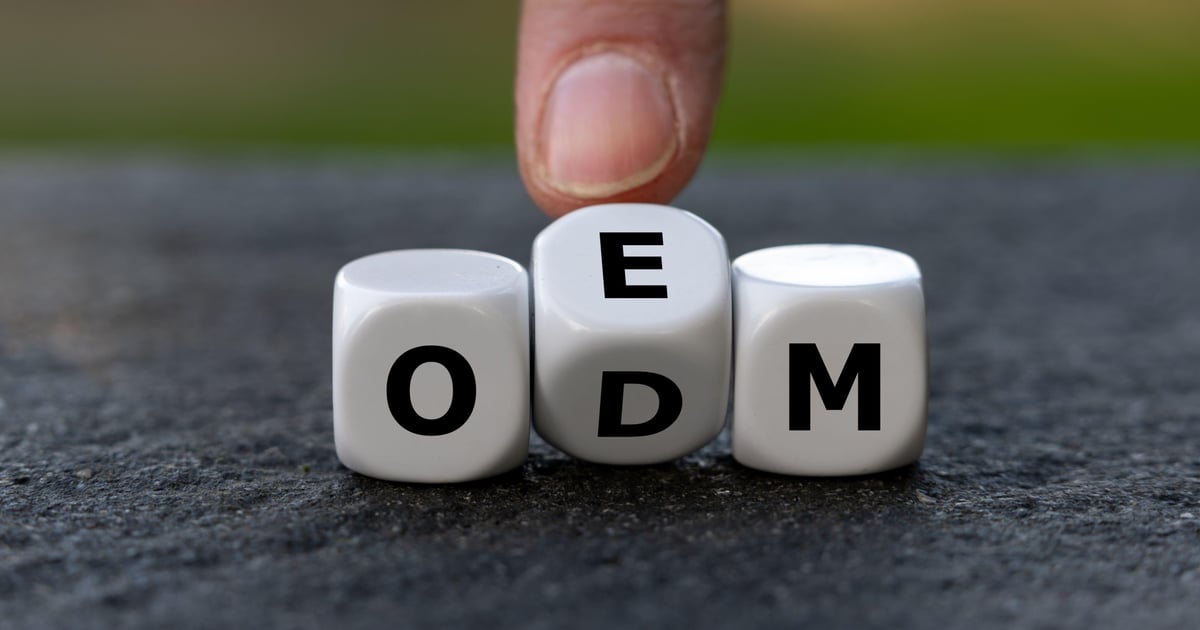
Understanding the Difference Between OEM and ODM in Footwear Manufacturing
When sourcing footwear, brands often encounter two common manufacturing models: OEM and ODM. While both involve factory production, they serve very different business needs. Choosing the right model can affect your development timeline, cost structure, design ownership, and overall competitiveness. This guide explains the key differences and helps you decide which option fits your brand best.
What Is OEM in Footwear?
OEM stands for Original Equipment Manufacturer. In an OEM model, the brand provides the product concept and technical direction, while the factory focuses on manufacturing.
Typical OEM Responsibilities
The brand usually provides:
Tech packs or detailed specifications
Artwork, branding requirements, packaging standards
Target materials and construction preferences
Clear production instructions
The factory provides:
Manufacturing execution
Material sourcing based on client requirements
Quality control and production planning
OEM Is Best For Brands That...
Already have an in-house design team
Want full control over product identity
Need manufacturing support without design input
Have stable, repeatable styles
What Is ODM in Footwear?
ODM stands for Original Design Manufacturer. In an ODM model, the factory provides not only production but also design and development support. Brands can select existing designs, customize them, or develop new concepts with the factory's team.
Typical ODM Responsibilities
The factory supports:
Trend research and seasonal development
Structure design and material selection
CAD support and prototype creation
Cost optimization and production feasibility
The brand focuses on:
Market positioning
Style direction and brand identity
Final approvals and commercialization
ODM Is Best For Brands That...
Need faster development cycles
Want access to a ready design and sampling system
Are launching new collections or entering footwear
Prefer a partner who can guide product decisions
Key Differences: OEM vs ODM
Factor OEM ODM Design Ownership Brand provides design Factory provides design support Speed to Market Depends on brand readiness Often faster with existing development Customization Level High, brand-controlled High, but guided by factory capabilities Ideal For Established brands Growing or fast fashion brands Development Support Production focused Strong design & technical support
Which Model Fits Your Brand?
Choose OEM if:
• You have complete designs ready
• You want maximum control over every detail
• You need a manufacturing-only partner
Choose ODM if:
• You want to develop styles quickly
• You need design support and market input
• You want flexible development with lower risk
Many successful brands use a hybrid approach, combining OEM for core repeat styles and ODM for seasonal trend programs.
Working With the Right Partner Matters
Whether OEM or ODM, the most important factor is choosing a manufacturer who understands:
• Your target market
• Your pricing structure
• Production feasibility
• Compliance requirements
A reliable partner helps you reduce development risk and deliver consistent products.
Interested in OEM or ODM footwear development? Contact us to discuss your next collection.